
Why Mentorship Matters in Worship Ministry
Something I Started Noticing
A few years ago, I started noticing something.
I’d meet with worship leaders who were incredibly gifted, committed, and genuinely doing their best, but underneath all of their talent and success, there was a tension. Not always full-on burnout, and not necessarily a crisis, but something felt… off.
They could lead a room, run a rehearsal, and plan a service. But when the conversation shifted toward leadership, team dynamics, worship culture, or their own spiritual health, there was often a sense that they were simply figuring it out as they went, with little space to process what they were carrying.
I noticed this pattern among my peers because I’ve been there myself.
There have been seasons in my own ministry where I was functioning just fine on the surface, but internally I felt stuck on the worship ministry treadmill. I was reactionary instead of reflective, ruled by the tyranny of the urgent:
Sunday is coming.
Someone cancelled, and I need a replacement.
What am I doing for Christmas?
Are people with me?
Can we pull this song off?
Am I working too hard? Or not hard enough?
How do I recruit more drummers?
Does the gear work?
Do people like me?
For much of my ministry life, I found myself wishing I had someone who could help me sort through what I was seeing and feeling.
I didn’t need someone to make decisions for me or hand me another leadership book. I needed someone with enough distance and enough experience to help me see things more clearly than I could in the moment.
That’s where my conviction around worship ministry mentorship really started to take shape.
We Don’t Have a Resource Problem
Worship ministry has changed dramatically over the years.
The access we now have to resources and information is incredible. Through AI and online platforms, you can find multitracks for nearly any song, learn how to build stage designs, program lights, study how churches structure teams, listen to leadership content on demand, and learn best practices from around the world without ever leaving your office. In many ways, it’s never been easier to grow technically or creatively as a worship leader.
So why do I keep meeting worship leaders who feel as if they’re carrying a weight they can’t manage?
I don’t think we have a resource problem in worship ministry. I think we have a mentorship problem.
“It’s never been easier to grow technically as a worship leader — but many leaders have never felt more isolated.”
The Leadership Gap Nobody Talks About
Most of us get into worship ministry because we love connecting with Jesus through song, and we want to help others encounter God.
We learn the basic skills needed to get through Sunday, but over time, the job expands into areas we didn’t expect.
Suddenly, you’re navigating expectations from your lead pastor, managing volunteers with varying levels of maturity and commitment, carrying responsibility for team culture, and trying to figure out what healthy leadership looks like under pressure.
This is where the gap appears.
On one side, you have the ability. On the other hand, responsibility.
In the middle is where many worship leaders try to bridge that gap alone. And most of us don’t choose that intentionally. It happens slowly.
You solve one problem, then another shows up. The next Sunday needs planning. The newest schedule needs adjusting.
It’s like playing worship ministry Whack-A-Mole — and before long, you’re operating in patterns and systems you never really intended to create.
Growth Rarely Happens Alone
When I think about the moments that accelerated my growth in worship leadership, they rarely came from trying harder, reading a great book, or implementing something from YouTube. More often, they came through conversations with real people I respected who had already walked further down the road than I had.
People who weren’t impressed by my skill or discouraged by my mistakes, but were steady enough to help me think differently about what I was experiencing.
And thinking differently isn’t something you can easily learn on your own.
You can know a lot about a topic or role, but as the saying goes: You don’t know what you don’t know.
That’s one of the things I appreciate most about mentorship. It’s not simply about instruction or best practices. It’s about perspective. And perspective is hard to manufacture on your own when you’re caught in the pace of ministry.
Mentorship offers a bird’s-eye view. It provides another lens that helps you see clearly, because when you can’t see clearly, it’s easy to start travelling in the wrong direction without realizing it.
“Leadership is not formed simply by information. More often, it is formed through perspective, relationship, and shared experience.”
The Wrong Turns We Don’t See Coming
Going the wrong direction looks different for everyone. Some leaders prioritize performance because it feels measurable and rewarding. Others avoid difficult conversations because keeping the peace feels easier. Others quietly carry the weight until ministry slowly steals their joy.
Mentorship can intercept these wrong turns early, before unhealthy leadership patterns take root, before burnout crashes happen, and before people drift into the ditches of moral failure or hidden compromise.
Sometimes the greatest value of mentorship is not helping you move faster. It’s helping you avoid going the wrong way.
Scripture Shows Us the Pattern
When I look through Scripture, I see this same leadership pattern repeated over and over again.
Joshua learned by walking with Moses.
Elisha learned by following Elijah.
Timothy was formed through a relationship with Paul.
Even Jesus, who could have chosen any method of leadership development, chose to spend meaningful time with a small group of people who would learn ministry through shared life.
So if spiritual leaders are best formed through relationships, why do we spend so much time trying to get better while investing so little into friendship, partnership, and mentorship? It makes me wonder if we’ve overestimated how much leadership is taught and tragically underestimated how much of it is caught.
More Than Better Worship Leaders
In my own life, the people who impacted me most didn’t simply tell me what to do differently. They helped me see what I couldn’t, or wouldn’t, see.
Over time, that changed not only how I made difficult decisions, but how I understood what it meant to be a worship leader and worship pastor. It helped me grow from someone who cared about singing songs into someone who cared about leading people into the presence of Jesus. It helped me realize that my role wasn’t merely functional; it could be deeply formative. It helped me focus on what actually matters and loosen my grip on things that ultimately don’t. Most importantly, it helped shape me not just in my gifting but as a disciple of Jesus.
What Worship Leaders Actually Need
As I spend time with worship leaders in different contexts, I keep returning to the same reality. Most of them don’t need more content. They need space and presence.
Worship leaders, like everyone else, need safe spaces and healthy relationships where they can process what they’re carrying without feeling as if they already have all the answers. They need people who see them for who they really are, not simply for the gifting they offer. They need mentors who model what it looks like to become more like Jesus each day.
Because healthy worship ministries don’t happen by accident. Healthy worship leaders are formed intentionally.
My Prayer for the Future
When I pray about the future of worship ministry in Canada, I don’t find myself asking God for more talented musicians, better production quality, or better resources. Instead, I find myself praying this:
“God, give us worship leaders who truly know You and love You. Worshippers who prioritize You and Your Kingdom above all else. And give us the wisdom and heart to help them mature into men and women of God who are healthy enough to carry what You are asking them to carry.”
You Don’t Have to Figure It Out Alone
If you’re a worship leader who feels like you’ve been carrying more than you know how to navigate, you’re not alone.
Sometimes what we need most isn’t another podcast, another leadership book, or another strategy. Sometimes we simply need someone who has walked ahead of us — someone who can help us lead with greater health, clarity, sustainability, and faithfulness.
That’s exactly why Crafted Worship Mentorship exists.
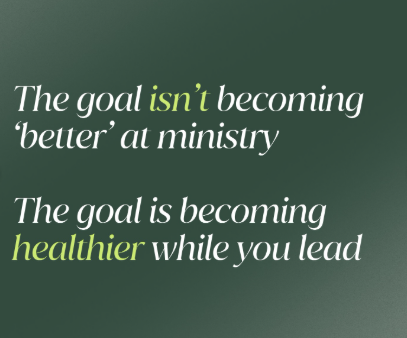
At Crafted, the goal isn’t simply to help you become a better musician or run better services.
The goal is to help form healthy worship leaders and sustainable worship ministries that last for the long haul.
If this resonates with where you are in ministry, I’d love to connect.
Learn more about mentorship, coaching, cohorts, and worship ministry development at:
You don’t have to carry the weight of ministry alone.
Let’s build something healthy that lasts.
(Crafted Worship Mentorship)
Ryan is the founder of Crafted, a mentorship and coaching ministry dedicated to helping worship leaders and pastors lead with health, clarity, freedom, and sustainability. Ryan previously served as a Worship Pastor at Hope City Church in Edmonton for 15 years, and now mentors worship leaders and pastors through coaching, cohorts, and ministry development, helping them cultivate healthy patterns, sustainable ministries, and a deeper connection with Jesus.