
New Works, Old Stories: Introducing Project Heritage in the Northwest Territories
Sometimes God changes the plan without changing the purpose.
Over the past year, I’ve learned that following God’s leading doesn’t always mean continuing with the plan exactly as we imagined it. Sometimes the vision remains the same, but God begins to show us a new expression of that vision.
That has been my experience as I have continued to explore what Renaissance could look like in the Northwest Territories. I believe God is doing something new in the North. And I believe creativity will be part of it.
This July, I had the opportunity to head North again and serve alongside my good friend, Pastor James Clarence, and the team at Camp Compass. This was my second year helping with the camp, and once again I was reminded of the incredible potential that exists in the Northwest Territories.
Camp Compass brought young people together for a week of adventure, community, faith and growth. I served through photography and videography, capturing the stories and moments throughout the week, while also serving with the worship team. There is something powerful about being around young people who are discovering who they are, who God is and what their lives can become.
But this trip was about more than Camp Compass. It also marked an important shift in the vision I have been carrying for my creative work in the North through Renaissance.
For the past year, I had been developing a vision called Art That Heals. The idea was to create creative drop-in spaces where artists and community members could gather, create, connect and experience restoration through art.
We have successfully launched this kind of programming at the Calgary Dream Centre and Derrick’s Youth Centre, and we are currently developing another expression of it at the Warming Centre at Journey Church in Calgary. The heart behind Art That Heals remains very much alive in me.
But as I prayed, listened and spent more time in the North, I began to sense that God was leading me toward a different expression of that same heart in the Northwest Territories. Rather than launching Art That Heals as I originally envisioned, we are shifting our focus to something new: Project Heritage.
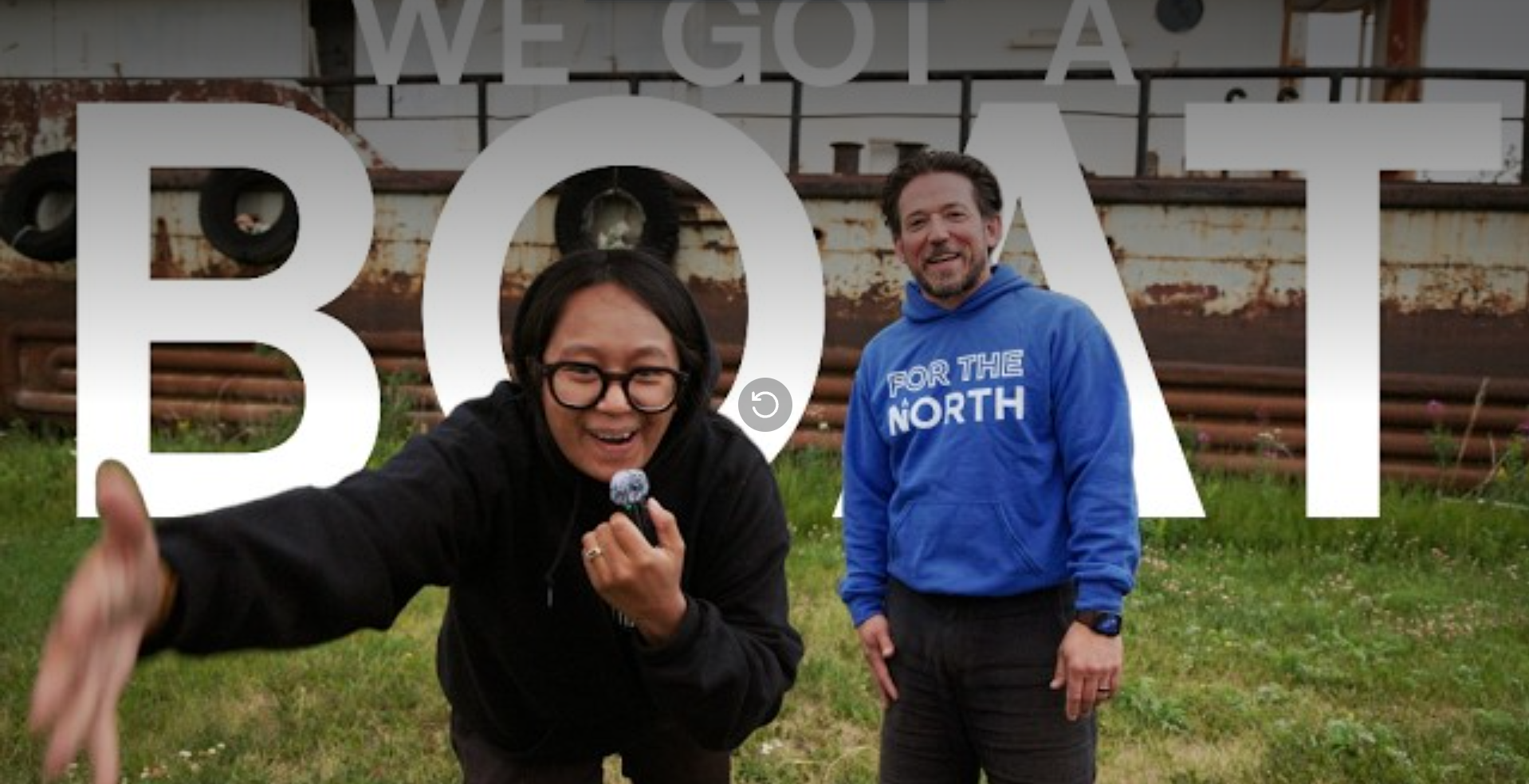
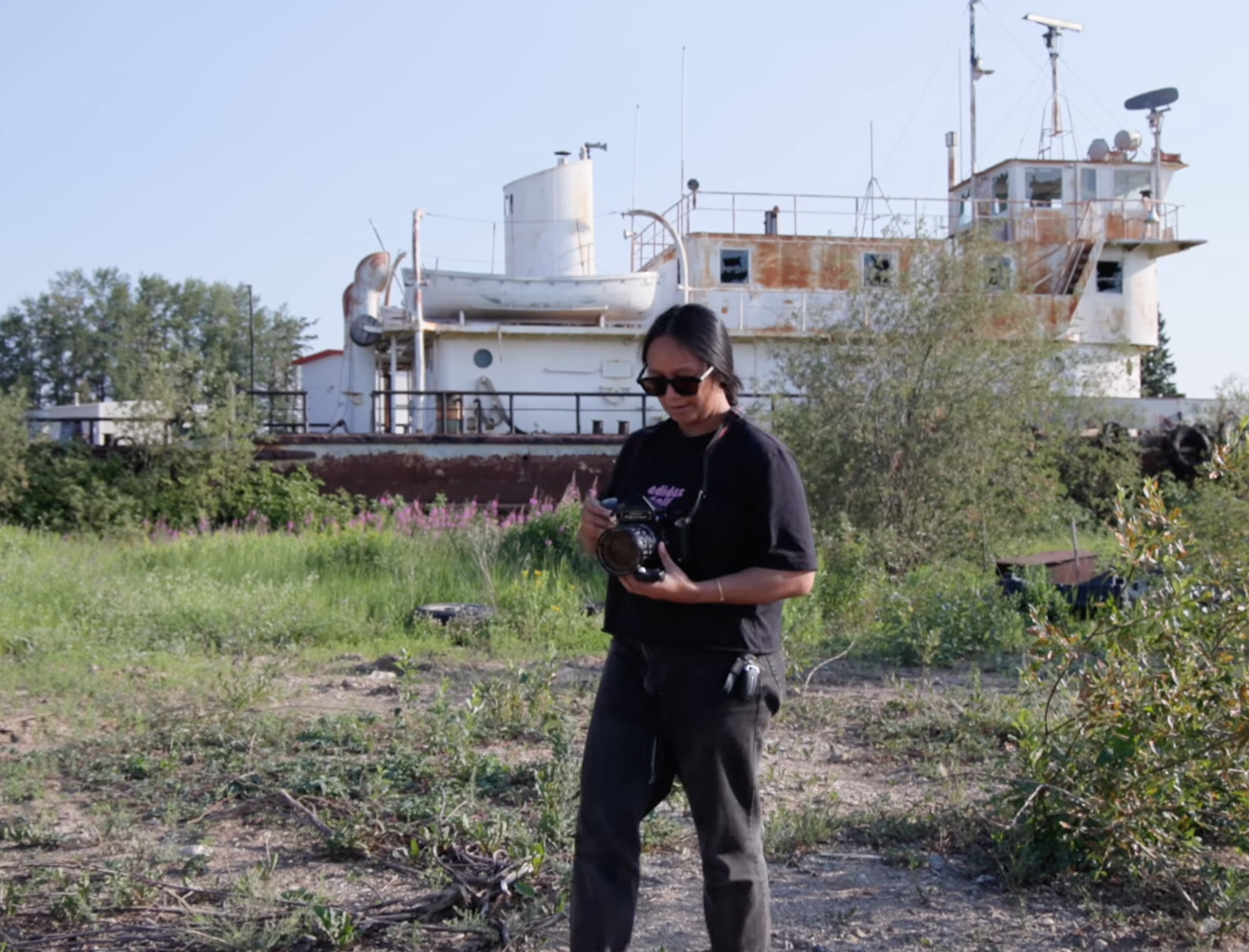
What began as a dream to partner with the North missionally in April 2025 finally became a reality in July 2026 when we were given ownership of a decommissioned vessel that had been sitting in the port of Old Town, Hay River, for 50 years.
Click on Image to link to the video update.
Project Heritage is a creative restoration project centred around a historic boat in Hay River and the possibility of transforming it into a creative hub for the community. The more I have learned about this vessel, the more meaningful the vision has become.
The boat is part of the Radium-class line of vessels that served the North as tugboats and barge pushers. These vessels were built to navigate the waters of the North and serve the communities that depended on them.
There is something deeply significant to me about taking one of these vessels, something that was literally built to serve the North, and giving it new life to serve the North again.
I don’t think that’s an accident. There is something prophetic about restoration, creativity and new works. We can sometimes think that new ministry means abandoning everything that came before. But I don’t believe that’s always the case.
Sometimes the new thing God wants to do is hidden inside something old. Sometimes the next chapter begins by looking back at the story that has already been written and asking, “What could God do with this now?”
That’s what I see in Project Heritage.
We aren’t simply restoring a boat. We are taking something from the heritage of the North and imagining what it could become in the future. A heritage that says, what has served before can serve again. A heritage that honours what has come before while creating something new for the generations that come after us. And I think there is an important lesson here for pastors and ministry leaders.
We need to create room for new works.
The church has always been at its best when it has been willing to respond creatively to the opportunities God places in front of it. New ministries, new leaders, new expressions of church, new ways of reaching people and new spaces for people to encounter Jesus don’t have to threaten our heritage. They can become part of it.
The challenge is learning how to honour what God has done without becoming so attached to the past that we miss what He wants to do next. That is especially important in places like the Northwest Territories.
The North has its own unique story, culture, geography, challenges and opportunities. Ministry here can’t simply be copied and pasted from somewhere else.
We need to listen. We need to create. We need to experiment. We need to empower local leaders and artists. And we need to be willing to build something that may not look like anything we’ve built before. I believe creativity can be a significant part of that.
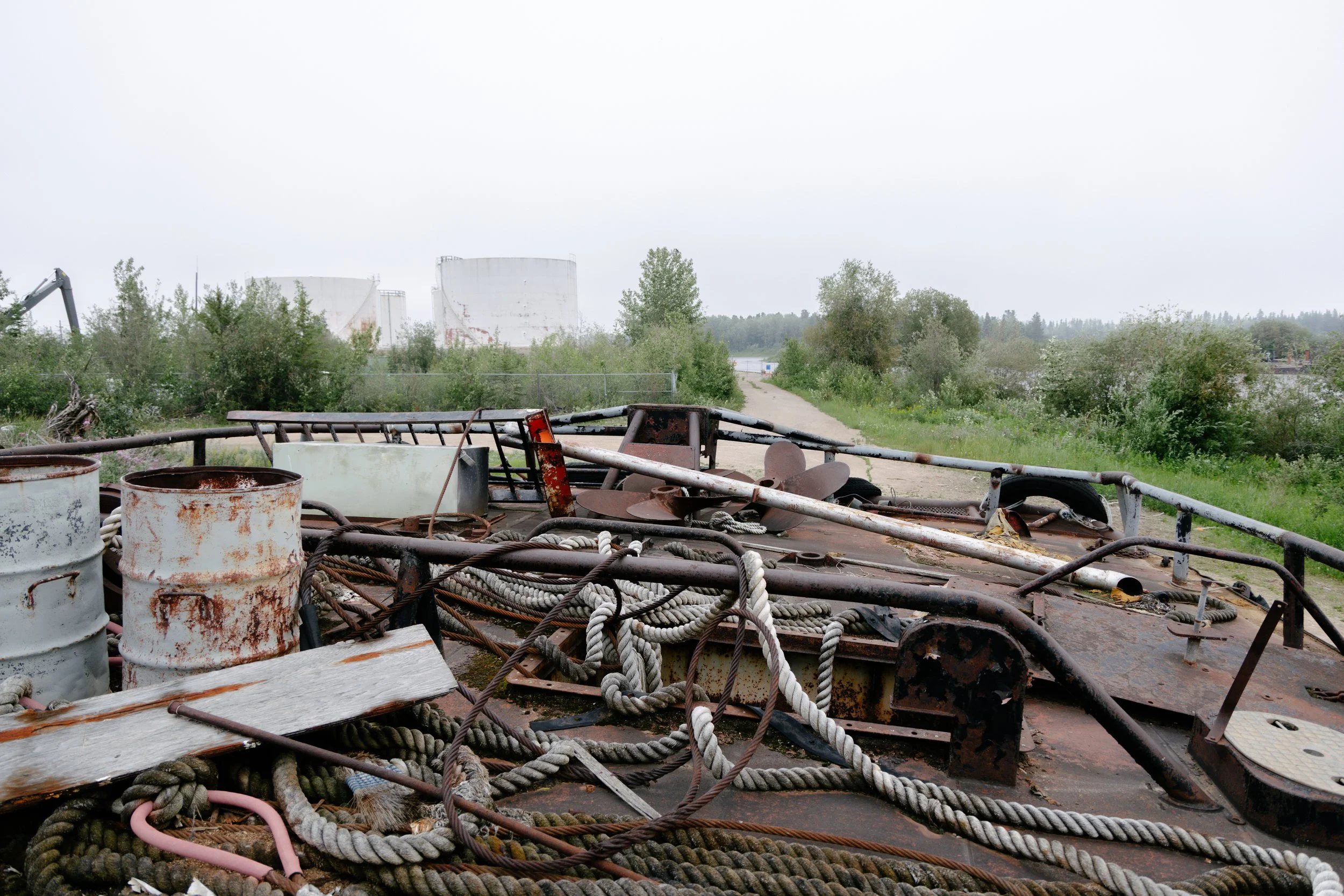
The vision for Project Heritage is to transform this historic vessel into a creative hub where artists can live, create, collaborate and exhibit their work, while also creating a space where the wider community can gather and encounter art, creativity and story. And I believe it is uniquely suited to Hay River, which is known as the “Hub of the North.”
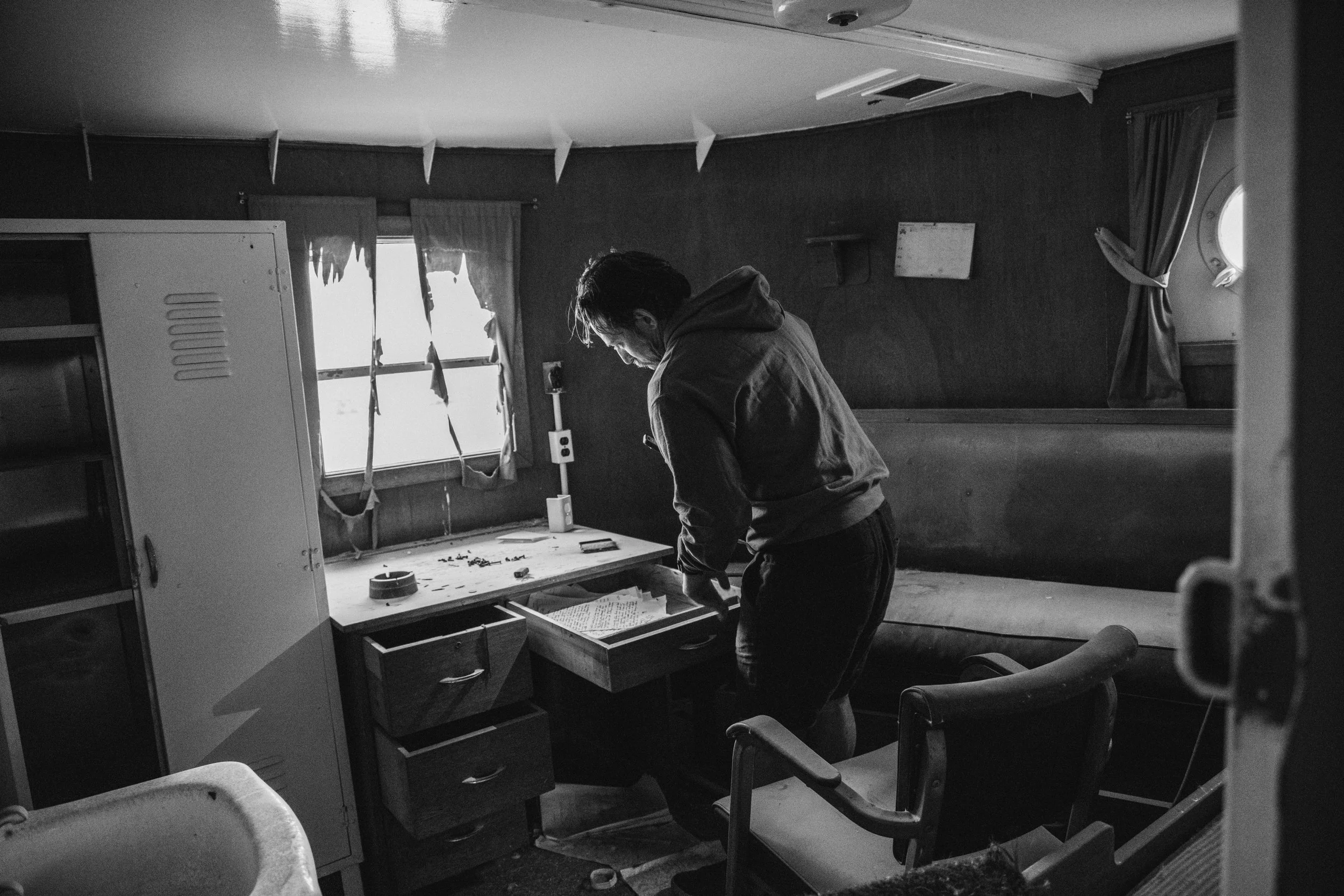
This isn’t a project that could simply be transplanted somewhere else. It is connected to the history, landscape, people and story of this particular community. That’s what makes it exciting.
Good ministry doesn’t simply import a program. It learns to love a place. It listens to its stories. It pays attention to its people. It discovers what God has already been doing and asks how we can participate in what He is doing next. Art That Heals was always about restoration.
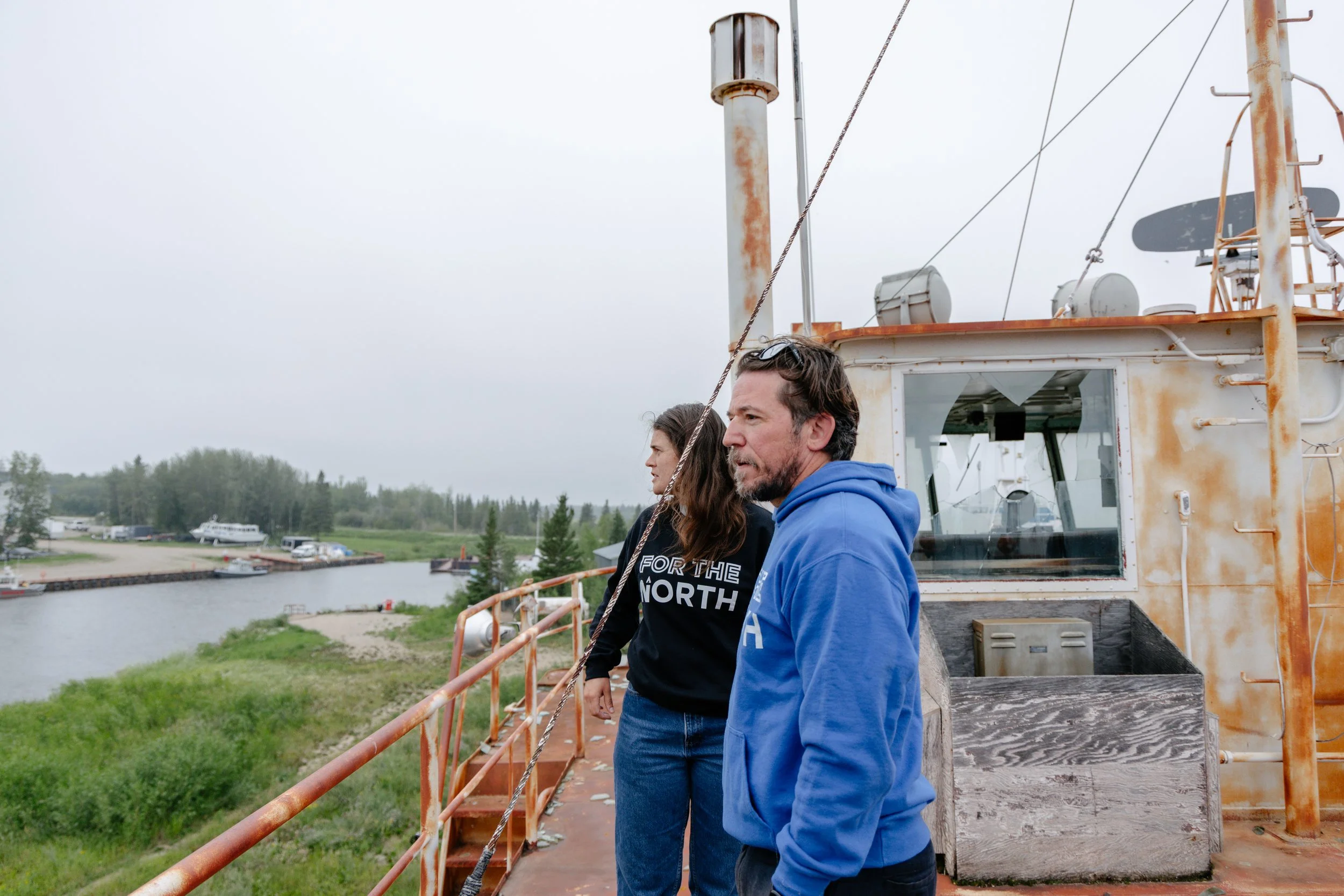
Project Heritage is becoming a tangible expression of that restoration, but it is also becoming something new. There is something powerful about taking something old, overlooked or forgotten and giving it new purpose. Not simply restoring it to what it once was, but asking what it could become.
I wonder if that isn’t also a picture of what God wants to do in our churches and communities. Maybe there are people who feel overlooked who need someone to see their potential. Maybe there are churches that feel forgotten that need someone to remind them that God isn’t finished with them. Maybe there are ministries that once served faithfully but now need to be reimagined for a new generation. Maybe creative ideas are sitting inside people that need someone to give them permission to try.
New works require courage. They require leaders who are willing to say, “We’ve never done it this way before, but maybe God is inviting us to try.”
That’s part of what I hope Renaissance can become: a place where creativity, restoration, faith and new ideas can come together to serve communities in meaningful ways. I hope this vessel can become a picture of something greater. A reminder to the people of the Northwest Territories that God is not finished yet. He has not forgotten the North. He has not forgotten its communities, its stories, its artists or its people.
If a boat that once served the North can be restored and given a new purpose, perhaps it can remind us that people and communities can experience restoration too.
What has been neglected can be cared for.
What has been forgotten can be remembered.
What has been set aside can find new purpose.
And what God has done before does not limit what He can do next.
This July, between serving at Camp Compass, capturing stories, leading worship and continuing to develop Project Heritage, I felt like another piece of the larger picture was coming together. I’m learning that following God’s leading sometimes means releasing the way you thought something would look and making room for something different. The heart of the vision hasn’t changed. The expression has. And I believe Project Heritage may be one of the ways God is inviting us to bring restoration, beauty, creativity and hope to the Northwest Territories.
The work is still in its early stages. There is much to figure out, much to build and much to pray about. But I’m excited about what could happen when we combine the heritage of the North with the creativity of a new generation. I’m excited about artists finding places to create. I’m excited about communities finding places to gather. I’m excited about young people discovering that their creativity has purpose. I’m excited about new works being launched in places where perhaps people aren’t expecting them. And most of all, I’m excited about the possibility of seeing God breathe new life into something that already carries a story.
The North has a heritage. But I believe the story isn’t finished. There are new works still to be created, new stories still to be told, new leaders still to be raised up, and new expressions of God’s love still to be discovered. And I believe we’re being invited to build a new heritage with the Lord.
Jess Sanchez is an award-winning filmmaker, musician, and creative visionary passionate about telling redemptive stories through art. As the founder of Renaissance Canada, Jessica is committed to equipping and inspiring artists across the country to create from a place of truth, hope, and faith. Whether through songwriting, filmmaking, or mentoring, she desires to see the arts transformed by the gospel of Jesus Christ. She holds a Bachelor of Theology, which has helped refine her passion for the intersection of theology and the arts. She is also currently doing a Master of Arts in Theological Studies at Briercrest Seminary.